Severe Drought Returns to Parts of Horry, Georgetown and Brunswick, NWS Says
The National Weather Service in Wilmington says only one day has had measurable rain in the past month, and local 30-day totals are 10% of normal.
Southeast Carolinas drought monitoringPart of a story we are following · 4 articles · See every updateKey facts
- Only one day, Nov. 6, had measurable rain in the past month, according to the National Weather Service Wilmington. (National Weather Service Wilmington, Drought Information Statement valid Nov. 19, 2026)
- Local 30-day rainfall totals are 10% of normal, according to the NWS Wilmington statement valid Nov. 19, 2026. (National Weather Service Wilmington, Drought Information Statement valid Nov. 19, 2026)
- Northern Horry County and western Brunswick County are in extreme drought (D3), the NWS says. (National Weather Service Wilmington, Drought Information Statement valid Nov. 19, 2026)
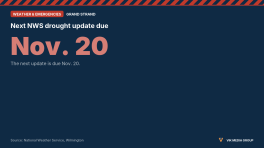
- The NWS will update its drought statement on Nov. 27, 2026, or sooner if conditions change significantly. (National Weather Service Wilmington, Drought Information Statement valid Nov. 19, 2026)
Severe drought has returned to parts of Horry, Georgetown and Brunswick counties, according to a drought statement the National Weather Service (NWS) in Wilmington issued Nov. 19, 2026. The agency says only one day has had measurable rain in the past month: Nov. 6. Local 30-day rainfall totals are only 10% of normal.
Which parts of Horry, Georgetown and Brunswick counties are in drought
The statement uses the U.S. Drought Monitor’s scale, which runs from D0 (abnormally dry) to D4 (exceptional drought). No area is in exceptional drought (D4), and the NWS lists no area as abnormally dry (D0).
| County | Drought levels listed by the NWS |
|---|---|
| Horry County, South Carolina | Extreme drought (D3) in the north; severe drought (D2) in the south |
| Brunswick County, North Carolina | Extreme drought (D3) in the west; severe drought (D2) in the east |
| Georgetown County, South Carolina | Severe drought (D2) in the north; moderate drought (D1) in the south |
What the drought is doing to water, farms and fires
The statement says river levels have dropped over the past two weeks and remain well below normal. The Cape Fear River near Kelly, North Carolina, and the Black Creek near Quinby, South Carolina, are at their lowest levels on record for this date.
Mandatory water conservation measures remain in place in Loris, South Carolina. The NWS says voluntary conservation requests continue in Whiteville, North Carolina, and in Florence, Georgetown and Darlington, South Carolina. Officials in Brunswick and Bladen counties, North Carolina, reported that soil moisture deficits are worsening. A 35-acre wildfire burned in Galivants Ferry, South Carolina, on Nov. 17.
What the forecast says about the rest of the drought
The monthly outlook for the rest of November shows equal chances of below-, near- or above-normal rainfall. Temperatures are more likely to be above normal through the end of the month, according to the statement. The Climate Prediction Center’s seasonal outlook through February shows the drought is expected to end across eastern North and South Carolina.
The NWS will update the drought statement on Nov. 27, 2026, or sooner if conditions change significantly.
Questions and answers
- Is there drought in Horry County, South Carolina?
- Yes. According to the National Weather Service Wilmington's drought statement dated Nov. 19, 2026, northern Horry County is in extreme drought (D3) and southern Horry County is in severe drought (D2).
- When will the National Weather Service update its drought statement for the Grand Strand?
- The National Weather Service Wilmington will update its drought statement on Nov. 27, 2026, or sooner if drought conditions change significantly, according to the statement.